Best Patio Furniture Trends You Should Know About?
As homeowners increasingly prioritize outdoor living spaces, the demand for stylish and functional patio furniture continues to rise. According to a report by Grand View Research, the global patio furniture market is projected to reach $16 billion by 2025. This significant growth highlights the importance of staying current with the latest trends.
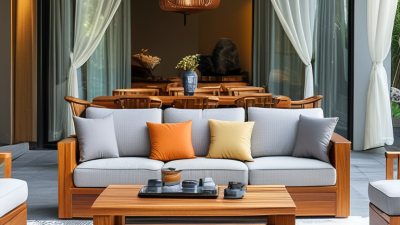
Industry expert and founder of Outdoor Living Designs, Sarah Thompson, emphasizes, "Patio furniture is not just about function; it's about creating an inviting atmosphere." This shift in focus suggests that consumers are looking for designs that blend comfort with aesthetics. Vibrant colors, sustainable materials, and multifunctional pieces are set to dominate this year's offerings.
Moreover, we see a growing interest in eco-friendly options. More brands are using recycled materials to meet the needs of environmentally conscious buyers. This is a positive step, though some manufacturers struggle to balance style with sustainability. As trends evolve, staying informed about innovations in patio furniture will be crucial for making informed purchasing decisions.
Emerging Materials in Patio Furniture Design for 2023
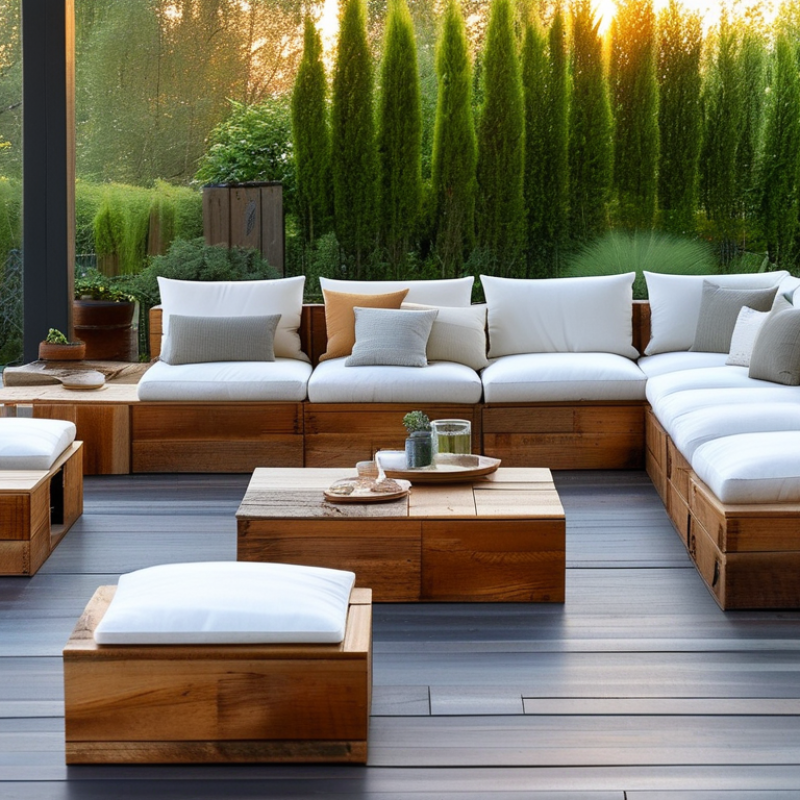
Emerging materials are reshaping patio furniture design in 2023. Innovative options enhance durability and aesthetics. For instance, recycled plastics are gaining popularity. These environmentally friendly materials resist fading and moisture. They offer vibrant colors and designs, making outdoor spaces lively.
Metal furniture has evolved as well. Aluminum and stainless steel are lightweight and resistant to rust. They provide sleek, modern looks while being sturdy. Choosing powder-coated finishes can enhance longevity. However, they might retain heat under direct sunlight. Comfort is key, so consider cushions made from fade-resistant fabrics.
Wood remains timeless. New treatments enhance its lifespan and resilience against the elements. Teak and eucalyptus are top choices for their natural beauty. Maintenance is still a concern, as untreated wood can weather quickly. Regular oiling helps preserve its charm.
When selecting patio furniture, think about how materials will hold up in your environment. Research and understand the pros and cons of each option. Assess your outdoor lifestyle needs. Personal style should blend with functionality to create a delightful space.
Sustainable Trends: Eco-Friendly Patio Furniture Choices
As the demand for eco-friendly solutions continues to rise, sustainable patio furniture has become a significant trend. Consumers are increasingly seeking materials that reduce environmental impact. A recent report from the American Home Furnishings Alliance indicates that 72% of consumers now consider sustainability when purchasing outdoor furniture. This shift reflects a growing awareness of the importance of making responsible choices.
One area of focus is the use of recycled materials. Manufacturers are introducing furniture made from recycled plastics and metals. This not only reduces waste but also lowers carbon footprints. According to a study by the Sustainable Furnishings Council, recycled content can decrease overall emissions by up to 30%. Additionally, materials like responsibly sourced wood are gaining popularity. Teak and eucalyptus, when sourced sustainably, provide durable options.
However, not all products marketed as “green” are truly eco-friendly. Misleading labels can misguide consumers. Experts recommend verifying certifications such as FSC (Forest Stewardship Council) for wood products. The journey toward sustainability in patio furniture is ongoing, and many consumers are still learning. It's essential to foster an informed mindset about what eco-friendly really means in outdoor living.
Best Patio Furniture Trends You Should Know About
This chart showcases the popularity of different eco-friendly patio furniture materials in 2023, illustrating how sustainable trends are shaping consumer choices.
Innovative Shapes and Styles Transforming Outdoor Spaces
Innovative shapes and styles are changing outdoor spaces dramatically. The rigid lines of traditional patio furniture are giving way to more organic forms. Curved seating and asymmetrical tables are gaining popularity. These designs invite relaxation and create a more inviting atmosphere.
Mixing materials enhances the overall appeal of outdoor furnishings. Metal frames paired with soft cushions create a striking contrast. Natural wood elements bring warmth, while sleek glass tops add elegance. However, balancing these materials can be tricky. Some combinations may not withstand the elements as well as others.
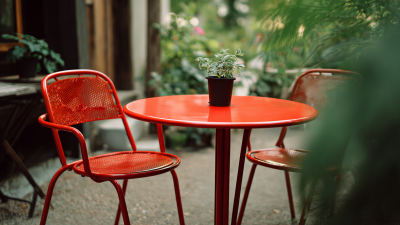
Color choices also reflect current trends. Bold, vibrant hues are making outdoor spaces pop. Yet, some homeowners struggle to commit to bright shades. They worry about how long those colors will last. Soft, neutral tones remain classic, but they risk feeling bland. Finding that sweet spot takes time and experimentation.
Best Patio Furniture Trends You Should Know About
| Trend |
Description |
Materials |
Color Schemes |
| Geometric Shapes |
Modern designs featuring unique, angular patterns for a bold look. |
Metal, Synthetic Rattan |
Monochrome, Bold Colors |
| Nature-Inspired |
Furniture mimicking natural forms, adding organic warmth to outdoor areas. |
Wood, Stone |
Earthy Tones, Greens |
| Multi-Functional |
Versatile pieces that serve multiple purposes such as storage and seating. |
Combination of Materials |
Neutral with Accent Colors |
| Eco-Friendly |
Sustainable furniture options focusing on recycled or sustainably sourced materials. |
Recycled Plastic, Bamboo |
Natural Colors, Soft Pastels |
Color Palettes: Current Hues for Modern Patio Aesthetics
When it comes to modern patio aesthetics, colors play a vital role. The right color palette can transform your outdoor space into a vibrant retreat. Currently, earthy tones are trending, such as warm terracotta and olive green. These shades evoke a sense of calm and connection with nature. Pair them with warm wood finishes for a cozy vibe.
In contrast, bold colors are making a statement too. Think rich blues and radiant yellows that can bring energy to the space. These vibrant hues can serve as focal points in your patio design. They draw attention and set a joyful mood. Consider using cushions or outdoor rugs in these striking colors to create visual interest.
You might also want to reflect on your choices. Are bold colors overwhelming? Are muted tones too bland? The goal is to find balance. Incorporate accessories that complement your main theme. Small details like planters or throw pillows can enhance your overall design without overpowering it. Remember, the beauty lies in harmony and personal expression.
Functional Features Enhancing Comfort and Usability in Outdoor Sets
Functional features in outdoor furniture sets significantly enhance comfort and usability. The latest designs include adjustable seating, allowing users to find the perfect angle for lounging. Cushioned materials are often weather-resistant, promoting durability without sacrificing coziness. Look for sets that offer built-in storage solutions to keep the patio organized. This can reduce clutter, making your outdoor space feel more inviting.
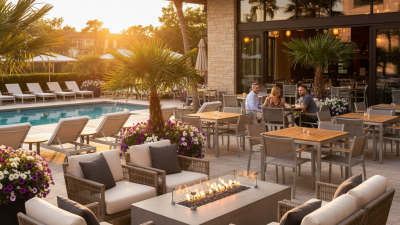
Multifunctional pieces are gaining popularity. For example, tables that convert into fire pits provide warmth and ambiance during cooler evenings. Easy-to-clean fabrics and surfaces lend a practical element to outdoor gatherings, letting you enjoy your patio without extensive maintenance. Choose materials that are easy to maintain and withstand various weather conditions.
When selecting your patio furniture, consider layout flexibility. Arrange pieces to create intimate seating areas or open spaces for larger gatherings. This versatility allows for a personalized touch in your outdoor design. Reflect on how you want to use this space. Is it primarily for relaxing or entertaining? Make choices that align with your lifestyle.