How to Choose the Best Outdoor Furniture for Your Space?
Choosing the right outdoor furniture can transform your space. As Amy Peterson, a leading designer in the Outdoor Furniture industry, wisely said, “Good outdoor furniture invites you to stay outside longer.” The beauty and functionality of your outdoor area hinge on your choices.
Imagine warm evenings spent on a stylish patio set or cozy afternoons on a swinging bench. Selecting durable materials is crucial. Materials like aluminum and teak stand the test of time but may come with a higher price tag. Reflect on how much use you'll get. Is that trendy piece worth the investment? Also, think about your climate. Some materials fade in direct sunlight; others may rust in damp conditions.
It’s essential to consider layout and size. A small garden may feel cramped with bulky furniture. Conversely, a spacious deck can become inviting with the right arrangement. Balance style with comfort. Test cushions and seating before purchasing. Ultimately, selecting outdoor furniture should enhance your everyday living experience outdoors. So, take your time to choose wisely.
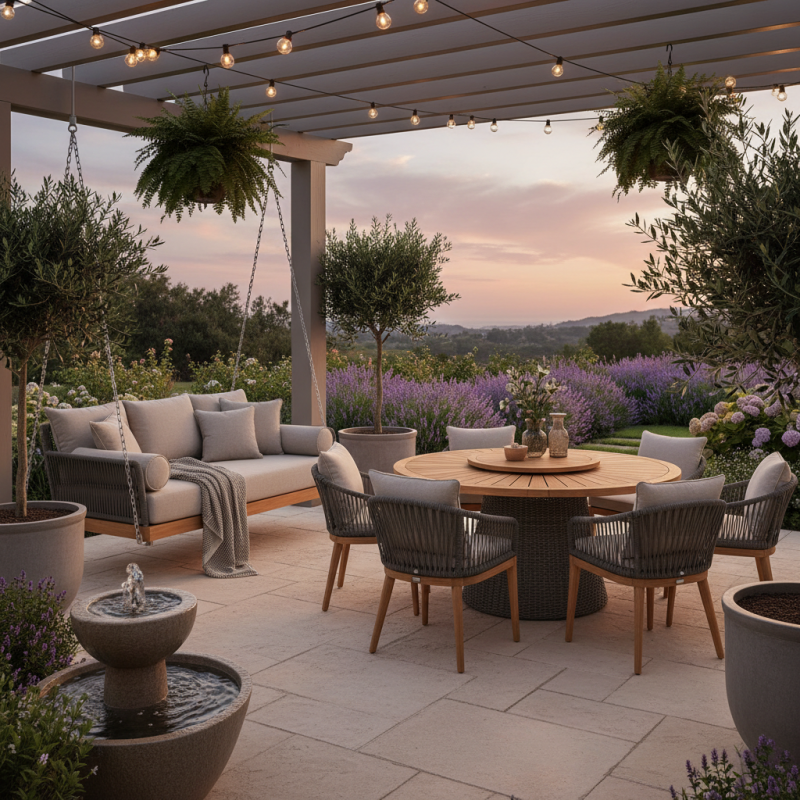
Understanding Your Outdoor Space and Needs
When selecting outdoor furniture, understanding your space is crucial. Your garden, patio, or balcony has unique dimensions and features. Consider the sunlight, wind, and shade patterns in your area. This will help your furniture endure the elements better. Measure your space carefully to ensure a good fit.
Tips: Think about how you use your outdoor space. Do you entertain frequently? Perhaps a large table is necessary. For quieter moments, a couple of lounge chairs might suffice. Create a balance between style and functionality. Your furniture should serve your needs while enhancing the outdoor aesthetic.
Don’t forget to reflect on the material selection. Wood offers warmth but requires maintenance. Metal is durable but may become hot under the sun. Weigh these factors based on your lifestyle. Choosing the right materials can save you time and effort in the long run.
Evaluating Different Materials for Durability and Style
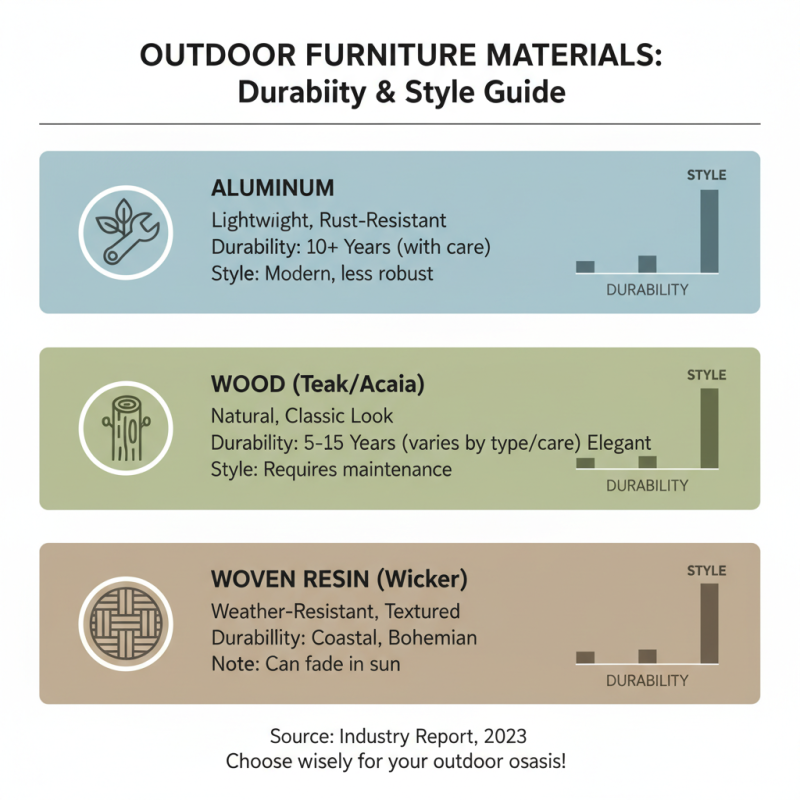
When choosing outdoor furniture, evaluating materials is crucial. Different materials offer varying degrees of durability and style. For example, aluminum is lightweight and resistant to rust, making it a popular choice. According to a recent industry report, aluminum furniture can last over 10 years with proper care. However, some users find it can feel less robust under pressure.
Wooden furniture, such as teak, brings a classic look but requires regular maintenance. Teak can withstand the elements, but it may fade over time. Studies show that untreated teak can lose up to 30% of its original color within the first year. This means you must decide if the aging process appeals to your taste.
Synthetic materials like resin wicker are trendy. They mimic natural fibers but are often less eco-friendly. A survey indicates that 47% of consumers consider sustainability when purchasing. Yet, these materials may lack the authenticity some desire. Finding the right balance between functionality and aesthetics is often challenging.
Choosing the Right Size and Scale for Your Furniture
Choosing the right size and scale for your outdoor furniture is crucial. A recent survey by the American Society of Landscape Architects shows that 75% of homeowners prioritize functionality in outdoor spaces. If furniture is too large, it can overwhelm a small patio. If it's too small, it may not provide enough comfort for gatherings.
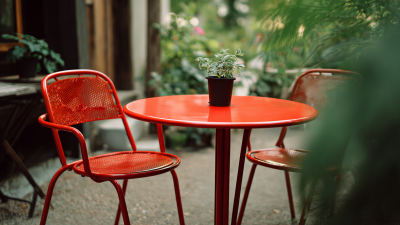
Consider the dimensions of your space. For instance, a small balcony may only accommodate a bistro-style table and chairs. On the other hand, a large deck can handle a dining set and lounge chairs comfortably. Experts recommend leaving at least 36 inches of walkway space around furniture. This ensures easy movement and accessibility.
Visualize your ideal setup. Use tape to map out furniture dimensions on the ground. Some elements might not fit as originally thought. A recent report indicated that 60% of outdoor spaces could benefit from scaled-down furniture. This creates a more inviting atmosphere. Pay attention to height and proportions, too. Aim for a mix that feels balanced and harmonious.
How to Choose the Best Outdoor Furniture for Your Space? - Choosing the Right Size and Scale for Your Furniture
| Furniture Type |
Recommended Size (Length x Width) |
Ideal Space Usage |
Comfort Level |
Weather Resistance |
| Dining Table |
72 x 36 inches |
Outdoor Dining Area |
High |
Water-resistant |
| Lounge Chair |
30 x 30 inches |
Relaxation Zone |
Very High |
UV-resistant |
| Umbrella |
9 feet diameter |
Shade Protection |
N/A |
Weather-resistant fabric |
| Coffee Table |
48 x 24 inches |
Social Gatherings |
Medium |
Rust-resistant |
| Sectional Sofa |
90 x 30 inches |
Lounge Area |
High |
Water-resistant cushions |
Considering Functionality and Comfort in Design
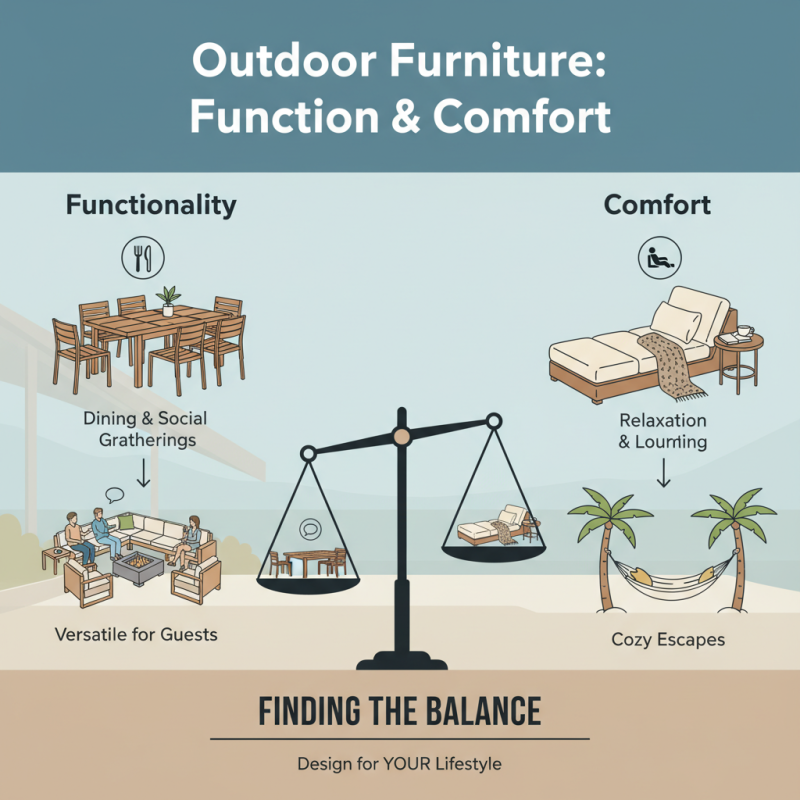
When choosing outdoor furniture, functionality is key. Think about how you will use the space. Will it be for relaxation, dining, or social gatherings? A cozy chair might be perfect for lounging with a book. But, if you plan to host dinner parties, consider a sturdy table and ample seating. It's about finding a balance.
Comfort should not be overlooked. Look for cushions that offer support but also allow for relaxation. The fabric should withstand the elements yet feel pleasant against the skin. A chair that looks good may not always provide comfort. Test it out. Sit, lounge, and envision those sunny afternoons. Don't rush—take your time to find pieces that fit both your aesthetic and your comfort needs.
Remember, each space is unique. Your patio or balcony may not be large, so scale is important. Oversized furniture can make a small area feel cramped. Reflect on your space's flow. Is there enough room to move around? Envision how each piece interacts with the others. It's not easy, and sometimes you may need to reevaluate your choices. Don't hesitate to mix and match styles. This can lead to unexpected yet delightful results.
Enhancing Aesthetics with Accessories and Decor
When selecting outdoor furniture, aesthetics play a key role. Accessories and decor can transform a simple patio into an inviting oasis. According to a 2021 industry report, 78% of homeowners prioritize appearance when choosing outdoor spaces. This reflects the growing significance of visual appeal in outdoor settings.
Consider using vibrant cushions and throws to add a pop of color. A well-placed outdoor rug can create a cohesive look. The right lighting can also change the mood. Studies show that well-lit spaces enhance enjoyment, leading to a 25% increase in outdoor usage. Accessories like planters and wall art personalize the space while emphasizing individual style.
However, not all choices are perfect. Some may overdo it with excessive decor, leading to a cluttered appearance. It's essential to strike a balance. While accessories can enhance a setting, too many can detract from functionality. Homeowners should reflect on their needs versus aesthetics to find an ideal mix.
Outdoor Furniture Types and Popularity