How to Choose the Best Wooden Garden Furniture for You?
When it comes to creating a beautiful outdoor space, wooden garden furniture is a popular choice. Its natural charm and durability make it a timeless addition to any garden. But choosing the right pieces can be challenging. You might feel overwhelmed by the variety available. Each type of wood has different qualities and care requirements. Knowing these can help you make informed choices.
Consider your garden's style and your personal preferences. Some woods bring warmth, while others lend a modern touch. Pay attention to the furniture's craftsmanship as well. High-quality wooden garden furniture should showcase excellent joinery and finishing. Avoid pieces that look flimsy or poorly made. It's essential to think about maintenance too. Some woods require more upkeep than others.
You may also reflect on how you plan to use your garden furniture. Will it host gatherings or provide a quiet retreat? This will influence your selection. Remember, good choices enhance your outdoor experience. In the end, finding the right wooden garden furniture should feel rewarding and enjoyable. Trust your instincts and take your time; the perfect piece awaits.
Factors to Consider When Selecting Wooden Garden Furniture
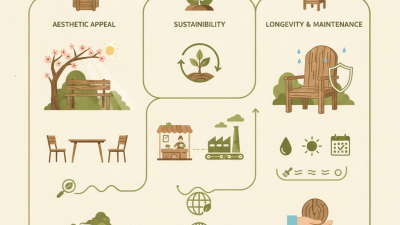
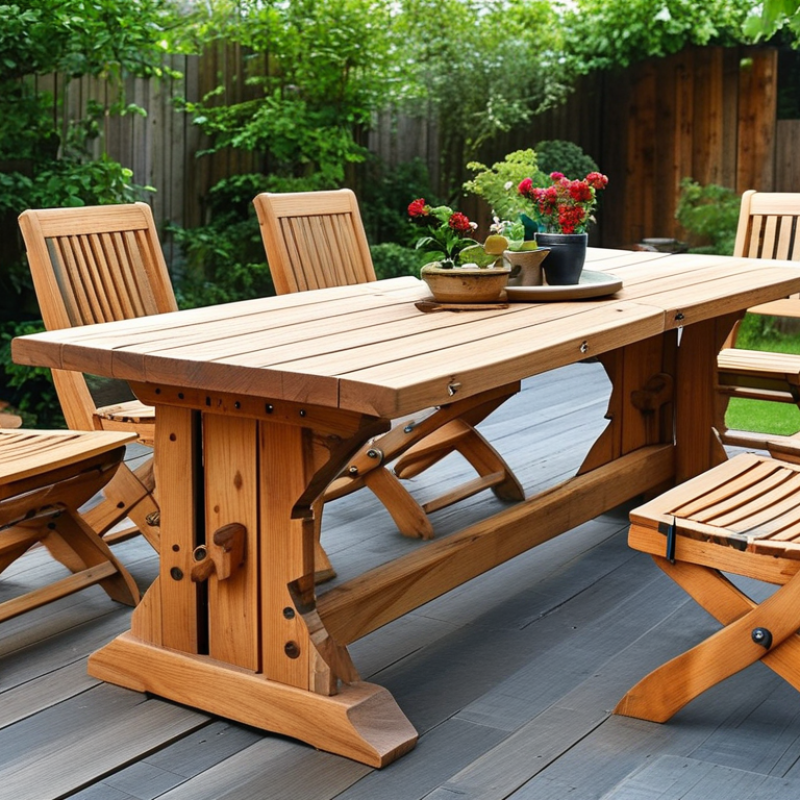
When selecting wooden garden furniture, several key factors come into play. The type of wood significantly impacts durability and aesthetic appeal. Hardwoods like teak and mahogany are often favored for their resistance to elements. According to the American Society of Landscape Architects, over 60% of homeowners prefer hardwood for outdoor furniture. This choice enhances longevity, reducing the need for frequent replacements.
Another crucial aspect is finish and maintenance. A high-quality sealant can prolong the lifespan of wooden furniture. Data from the Home Improvement Research Institute indicates that 70% of wood furniture failures stem from inadequate maintenance. Regular care ensures that the furniture looks great and performs well year-round. This often involves cleaning and reapplying treatments, which many homeowners overlook.
Design and functionality also matter greatly. Preferences vary widely depending on space and style. For example, a small balcony may require folding or stackable options. In contrast, larger gardens can accommodate more substantial pieces. It's essential to reflect on your specific needs and how the furniture will integrate into your outdoor living space. By carefully considering these factors, you can choose furniture that meets your aesthetic and practical needs while standing the test of time.
Types of Wood Commonly Used for Garden Furniture
When selecting wooden garden furniture, it's crucial to understand the types of wood commonly used. Different woods offer unique qualities that affect durability, appearance, and maintenance.
Teak is a popular choice for outdoor furniture. This wood is naturally resistant to moisture and insects. Its rich color and fine grain add elegance to any garden setting. However, teak can be expensive and may require regular oiling to maintain its luster. Some people overlook this aspect, leading to a faded appearance over time.
Another widely used wood is cedar. It is lighter and has a distinct aroma. Cedar contains natural oils that help prevent rot and insect damage. While it is more affordable, it may not last as long as teak. garden enthusiasts should consider how they plan to use the furniture. Treating cedar with sealants can extend its lifespan, but many forget this step.
Finally, eucalyptus is gaining popularity due to its sustainable nature. It offers a beautiful finish and is often treated to extend its durability. However, without proper care, it can weather quickly. Garden furniture made from eucalyptus requires periodic maintenance and might be less visually appealing over time if neglected. Each wood type has its pros and cons, making it essential to weigh your options carefully.
How to Choose the Best Wooden Garden Furniture for You?
This chart displays the popularity of different types of wood commonly used for garden furniture based on a survey. The data shows the percentage of preference among consumers for each wood type.
Evaluating Durability and Weather Resistance of Wooden Furniture
When choosing wooden garden furniture, durability and weather resistance are crucial factors. Exposure to the elements can significantly diminish the lifespan of wood. A report from the American Society for Testing and Materials (ASTM) indicates that untreated wood can last only 5-7 years outdoors. In contrast, treated or naturally durable woods like teak can endure up to 25 years.
The best variety of wood for outdoor use often includes cedar and redwood. These types possess natural oils that resist moisture and insects. The Wood Database highlights that these woods can withstand temperatures fluctuating between -20°F to 120°F without significant warping. However, regular maintenance, including sealing and cleaning, is necessary for maximizing their longevity.
Selecting wood with a high Janka hardness rating also contributes to durability. For instance, varieties like ipe and mahogany score significantly higher, often surpassing 1,800 lbf. This makes them more resistant to scratches and dents. Still, proper care is essential. Many overlook the need for periodic protective treatments, which can lead to premature wear and tear. Being mindful of these aspects ensures that your investment in wooden garden furniture remains worthwhile.
Maintenance Tips for Extending the Life of Your Garden Furniture
Wooden garden furniture can enhance your outdoor space remarkably. However, keeping it in good condition requires consistent maintenance. Regular cleaning is essential. Wipe surfaces with a damp cloth to remove dirt and debris. Use a soft brush for crevices to prevent grime buildup. Don't overlook the importance of drying the wood properly. Moisture can lead to mold or mildew.
Applying a protective sealant is beneficial. This helps to prevent weathering and fading caused by sun exposure. Consider reapplying the sealant every year. Each season brings unique challenges. Rain and snow can warp and damage wood, so be mindful during harsh weather. Storing your furniture indoors during winter can prolong its life. If that's not feasible, cover it with durable tarps.
Inspect your furniture regularly for signs of wear. Cracks, splinters, or loose joints need prompt attention. Sand any rough surfaces to avoid injuries. Even the best care can't stop every problem, but early intervention can save you money. A little effort each season ensures your garden furniture remains beautiful and functional for years.
Design and Aesthetic Considerations for Outdoor Spaces
When selecting wooden garden furniture, design and aesthetics play a crucial role. The type of wood, grain patterns, and color can greatly influence your outdoor space. For example, teak offers a warm, golden hue that can develop an elegant silver patina over time. In contrast, cedar has a more rustic appearance, with rich reddish tones. These materials contribute to the overall vibe of your garden.
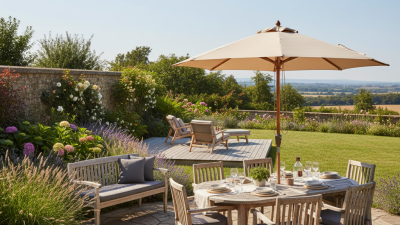
Consider the layout of your outdoor area. A bistro set works well for small balconies, while larger spaces can accommodate spacious dining tables. Curved benches may soften hard lines and provide a cozy feel. Mixing furniture styles can also add personality and depth. Pair contemporary chairs with a traditional wooden table for an intriguing contrast.
Durability matters, but so does comfort. The design of your furniture should encourage relaxation. Cushions can enhance comfort but may require storage during harsh weather. Furthermore, reflect on how your choices align with the surrounding environment. Will the style harmonize with existing landscaping? Striking the right balance between function and aesthetics is essential for creating an inviting outdoor retreat.