How to Choose Metal Outdoor Furniture for Your Space in 2026?
In 2026, choosing the right Metal Outdoor Furniture is more important than ever. With an increasing number of consumers investing in outdoor spaces, experts predict the market for outdoor furniture will exceed $18 billion. Metal options, in particular, are favored for their durability and style. However, navigating this diverse market can be challenging.
Recent studies indicate that nearly 70% of homeowners prioritize weather resistance when selecting outdoor furniture. Metal materials such as aluminum and steel are gaining ground due to their ability to withstand various climates. Yet, many consumers overlook the significance of finishes and coatings, which enhance longevity and aesthetic appeal. Reflecting on these details can greatly impact your outdoor ambiance.
While the allure of Metal Outdoor Furniture is evident, it is crucial to consider factors like weight, maintenance, and comfort. Heavy furniture may provide stability, yet it can be cumbersome to move. Exploring your options carefully ensures you invest wisely, making your outdoor space both functional and inviting.
Understanding the Benefits of Metal Outdoor Furniture for 2026
Metal outdoor furniture has become a popular choice for many homeowners. Its durability is unmatched compared to wood or plastic.
Metals like aluminum and steel resist wear and tear from weather conditions. This longevity means fewer replacements, making it a cost-effective option.
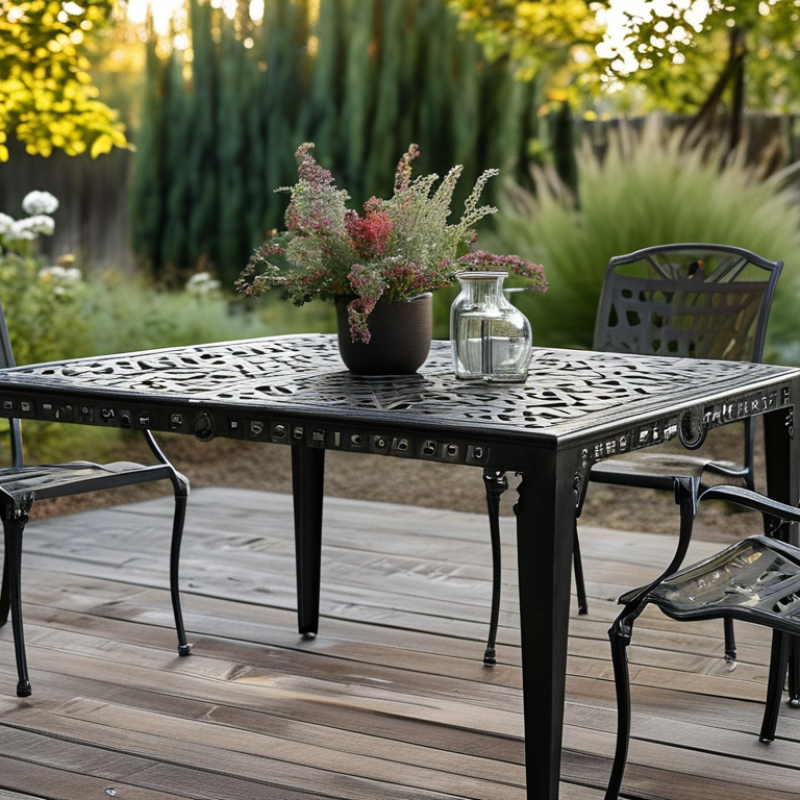
Additionally, metal furniture is versatile in design. You can find everything from sleek and modern styles to classic and ornate pieces. This can enhance the aesthetic of your outdoor space.
Furthermore, the easy maintenance that metal provides is a significant advantage. A simple wipe with a cloth can keep it looking good.
However, there are challenges to consider. Metal can get hot under direct sunlight. This may lead to uncomfortable seating during hot days. Corrosion is another concern, particularly in humid environments. Choosing corrosion-resistant finishes can help mitigate this issue. Evaluating these factors is crucial for enjoying your outdoor area fully. Balancing aesthetics, comfort, and practicality is vital when selecting furniture for your space.
Evaluating Different Types of Metal Materials for Outdoor Use
When choosing metal outdoor furniture, the material type significantly impacts durability and aesthetics. Aluminum, for example, is lightweight and resistant to rust. According to a 2022 market report, aluminum furniture sales increased by 15% over five years due to its low maintenance and affordability. Steel, on the other hand, offers strength and stability. However, it often requires protective coatings to prevent rust, especially in damp climates.
Stainless steel has gained popularity for its sleek look and corrosion resistance. A study shows that 30% of consumers prefer stainless steel for its modern appeal. However, it can be heavier and pricier than other options. Wrought iron provides a classic charm but demands more upkeep to maintain its finish. Its longevity is impressive, but it can rust without proper care.
Some consumers might overlook the environmental impact. Metal furniture can have a high carbon footprint if not sustainably sourced. Recycled materials are becoming a preferred choice in 2026. While they reduce waste, their availability can be inconsistent. Consider local options to support sustainable practices. Balance aesthetics, function, and environmental consciousness for the best choice.
Design Considerations for Metal Furniture in Outdoor Spaces
When selecting metal outdoor furniture, start by considering your climate. Metal can withstand various weather conditions, but not all metals perform the same. Aluminum is lightweight and resistant to rust, making it suitable for coastal areas. Meanwhile, wrought iron offers sturdiness but requires protective treatments in humid climates.
Examine the design aspect closely. Sleek lines and airy designs can make a small patio feel larger. On the contrary, chunky furniture can restrict space. Color choices also matter. Bright hues can energize a garden, while muted tones create a calm environment. It's essential to harmonize the furniture with your landscape. A mismatch can feel jarring.
Comfort shouldn't be overlooked. While metal furniture often prioritizes durability, you may need cushions for added comfort. Test various seating options to find the right fit. It's important to reflect on your needs. Are you entertaining frequently or looking for personal relaxation? Consider how you'll use the space. This will guide your design choices effectively.
Weather Resistance and Maintenance Tips for Metal Furniture
When selecting metal outdoor furniture, weather resistance is crucial. Different metals react uniquely to environmental factors. Aluminum is lightweight and rust-resistant. However, it may not withstand heavy winds. Steel, while sturdy, requires protective coatings to prevent corrosion. Choose the right metal based on your climate.
Maintenance plays a significant role in the longevity of metal furniture. Regular cleaning is essential. A gentle soap solution can remove dirt and grime. For rust spots on steel, use sandpaper to scrub them away. Apply a rust-resistant paint afterward. Even with the best care, wear may occur, prompting periodic inspections.
Consider seasonal storage options. Metal furniture exposed to harsh weather can deteriorate faster. Bringing your furniture indoors or using protective covers can extend its lifespan. Reflect on your space and how often you can commit to maintenance. Embrace the imperfections that come with outdoor furniture as part of its charm.
Choosing the Right Style and Color to Complement Your Outdoor Decor
Choosing the right style and color for your metal outdoor furniture can greatly enhance your space. Start by considering the architectural style of your home. If your house features clean lines and a modern aesthetic, sleek and minimalist metal furniture will fit seamlessly. For a rustic look, choose pieces with a weathered finish that mimic natural elements. Balancing these styles creates harmony in your outdoor area.
When it comes to color, think about how it interacts with your existing decor. Neutral tones like gray or beige are versatile and timeless. Bold colors can make a statement but should be used carefully. They work well as accent colors, drawing the eye without overwhelming the space. For example, a bright red chair can pop against a muted backdrop, creating a focal point.
**Tips:** Consider the season and the climate in your area. Dark colors absorb heat, which can be uncomfortable in hot climates. Light shades reflect sunlight and keep your space cooler. Additionally, don’t be afraid to mix and match colors. Combining different shades can add visual interest and reflect your personality. Ultimately, trust your instincts and create a space that feels uniquely yours.
Metal Outdoor Furniture Style Preferences in 2026