2026 How to Choose the Best Metal Garden Furniture?
Choosing the right Metal Garden Furniture is essential for both aesthetics and functionality. According to a recent industry report by Grand View Research, the global demand for metal garden furniture is projected to grow by 4.2% annually. This growth reflects an increasing preference for durable and stylish outdoor furnishings. Metal options, including aluminum and wrought iron, offer a variety of designs suited for diverse garden themes.
When selecting Metal Garden Furniture, consider factors such as weather resistance and maintenance. High-quality materials can withstand the elements better than cheaper alternatives. For instance, aluminum is lightweight yet strong, making it a practical choice for outdoor settings. A survey conducted by Statista reveals that 45% of consumers prioritize durability over design when choosing outdoor furniture. This statistic highlights the importance of balancing aesthetics with robust construction.
However, not all metal garden furniture is created equal. Some products may show signs of rust or degradation over time, prompting buyers to reflect on their choices. It's essential to research brands and their warranties to ensure reliability. Investing in metal furniture is a long-term commitment; therefore, understanding materials and care is crucial.
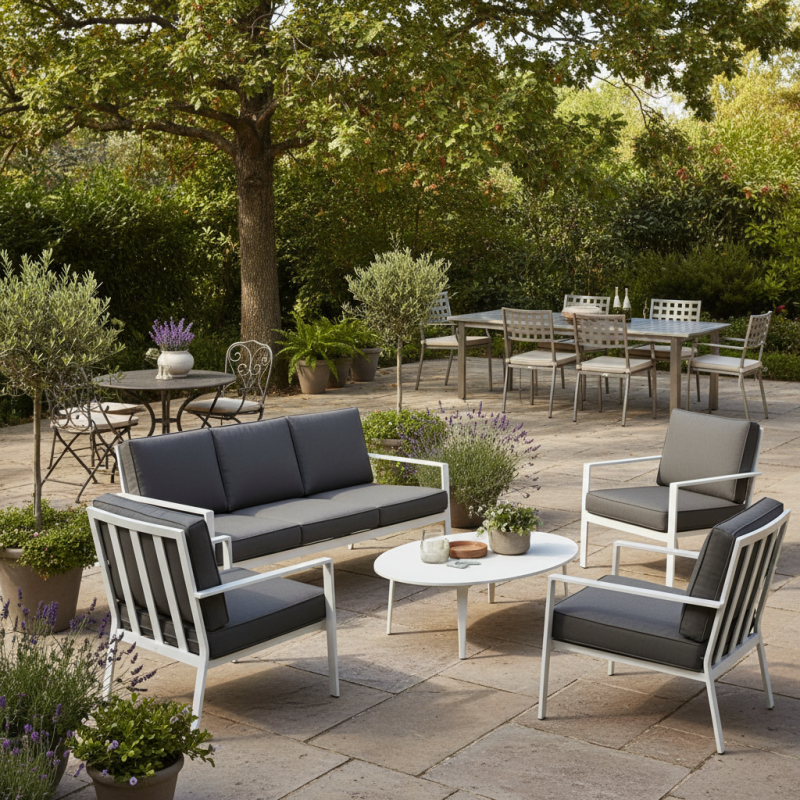
Understanding the Benefits of Metal Garden Furniture
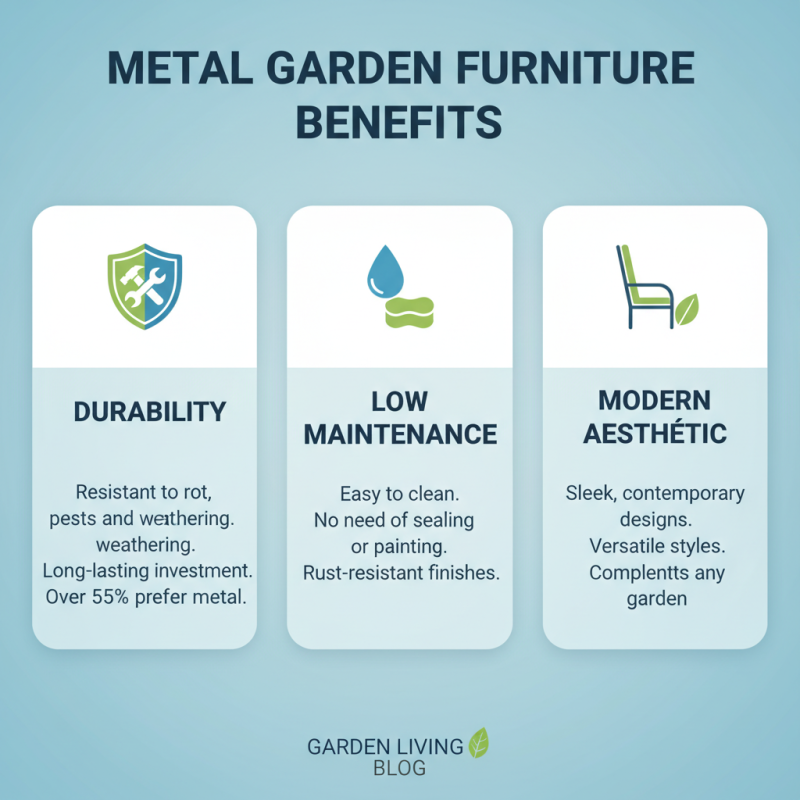
Metal garden furniture has gained popularity for various compelling reasons. Studies show that over 55% of garden furniture buyers prefer metal options for their durability and low maintenance needs. Unlike wood, metal furniture is resistant to rot and pests, proving to be a long-lasting investment for homeowners.
One of the major advantages is its resilience to weather conditions. According to industry reports, aluminum furniture can withstand extreme temperatures without warping. This durability often leads to an extended furniture lifespan, making it a cost-effective choice. However, it's crucial to consider that not all metal furniture is created equal. Some may rust, especially if not treated properly. Regular maintenance is essential to preserve its appearance and functionality.
Another aspect to consider is aesthetics. Metal furniture can complement various garden styles, from modern to traditional. Choosing the right color and design can enhance the overall ambiance of your outdoor space. Yet, some buyers find it challenging to select a style that fits their vision. Balancing function and appearance is key to achieving a harmonious garden setting.
Types of Metal Used in Garden Furniture and Their Characteristics
When selecting metal garden furniture, it's crucial to consider the types of metal used.
Aluminum is lightweight and resistant to rust, making it an excellent choice for outdoor use.
Its powder-coated finish adds extra durability while allowing for vibrant color options. However, it can dent easily, which may be a concern for some buyers.
Steel is another popular option. It offers strength and stability, making it ideal for heavier furniture.
Galvanized steel is especially durable, as it is coated to prevent rust. Yet, it requires maintenance to avoid corrosion over time.
Consider the environment; exposure to moisture can lead to rusting if not properly cared for.
Wrought iron furniture has a classic appeal and provides excellent stability.
It can withstand harsh weather conditions. However, it is heavier and may require more effort to rearrange.
Without protective coatings, wrought iron can rust quickly. Each metal type has its pros and cons.
Think about your specific needs and space before making a choice.
Factors to Consider When Choosing Metal Garden Furniture
When selecting metal garden furniture, durability is crucial. Various metals perform differently in various climates. For example, aluminum is lightweight and resistant to rust. Steel, however, can rust if not treated properly. Consider the weather in your area. If it rains often, corrosion is a concern. The right material can make a difference in longevity.
Aesthetics play an important role too. Think about your garden's overall style. Some prefer modern, sleek designs, while others lean toward ornate, classic looks. Color options also vary. A powder-coated finish offers more colors and protects against fading. Visual appeal should align with your personal taste and garden theme.
Comfort should not be overlooked. Test the seating before purchasing. Cushions can enhance comfort, but they require maintenance. Consider how each piece fits in your space. Is there enough room to move? Evaluate your needs realistically. Reflect on these factors to make an informed decision.
Factors to Consider When Choosing Metal Garden Furniture
Maintenance and Care Tips for Metal Garden Furniture
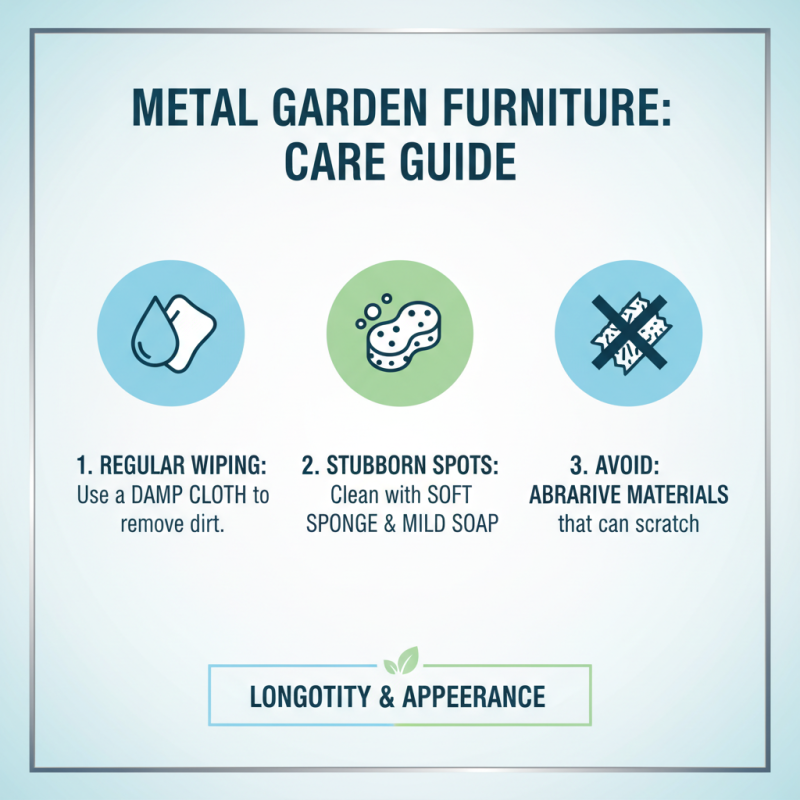
Proper maintenance of metal garden furniture is essential for longevity and appearance. Wipe down your furniture regularly with a damp cloth to remove dirt and grime. For stubborn spots, use a soft sponge and mild soap. Avoid abrasive materials that can scratch the metal surface.
Inspect regularly for rust or corrosion. If you find any, sand it down gently and apply a suitable rust-resistant finish. Always check the joints and screws. Tighten any loose fittings to prevent accidents. Keep your furniture dry during wet weather. Store it in a sheltered area or cover it when not in use.
Over time, metal furniture can lose its shine. Consider polishing it occasionally to restore its luster. In extreme climates, fading paints or coatings can occur. Reflect on the ideal protective measures suitable for your local weather conditions. Remember, the goal is to enjoy your furniture for many seasons to come.
Design and Aesthetic Considerations for Your Outdoor Space
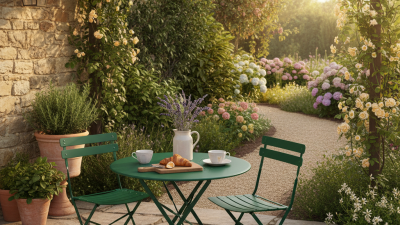
When selecting metal garden furniture, design and aesthetic should be top priorities. Think about your existing outdoor space. What colors and materials are already present? Choose colors that blend well with your garden flora. For instance, deep greens and soft browns can complement natural surroundings nicely. You might prefer a modern look with sleek lines, or a vintage vibe with ornate details. Consider how these choices reflect your personal taste.
Durability meets style with metal furniture, but it's crucial to think about finishes.
Matte, brushed, or polished? Each finish can impact your outdoor ambiance. A polished look can feel more sophisticated. On the other hand, a matte finish offers a more rustic feel. Don’t forget the role of textures.
Woven metal designs add depth and tactile interest. They also invite touch, creating a cozy atmosphere.
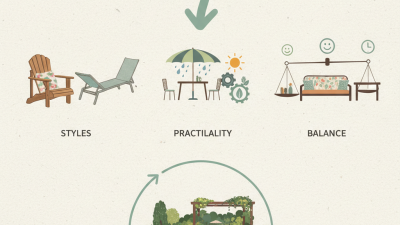
Remember, aesthetics are subjective. What appeals to one may not thrill another. It’s essential to balance personal preference with practicality. Too much ornate detail might clash with simple surroundings. Be open to experimenting with layouts and placements. Visualizing the furniture in spaces can help you decide. Reflect on what resonates with you while considering your outdoor environment.